CEO Journey: Grounded in Grassroots
30 / 01 / 26


Menu

19 / 02 / 26
ROOTS & ROUTES: GLOBAL ISSUES, LOCAL RESPONSES
View all Photos: Youth Interfaith Summit 2026 Photo Album
LONDON, 19 February — The Faith & Belief Forum (F&BF), in partnership with the LSE Faith Centre, brought together 200+ young people 18-35 on Monday 9 February for the Youth Interfaith Summit 2026. The summit is an annual convention exploring social issues through the lens of faith and belief. The last 3 years have focused on the intersection of interfaith and climate action with Monday evening featuring powerful storytelling, expert masterclasses, and youth-led dialogue.
The theme of this year’s summit was Roots and Routes of Climate Change: how does global climate change manifest locally, and what were creative actions young people can take to affect change.
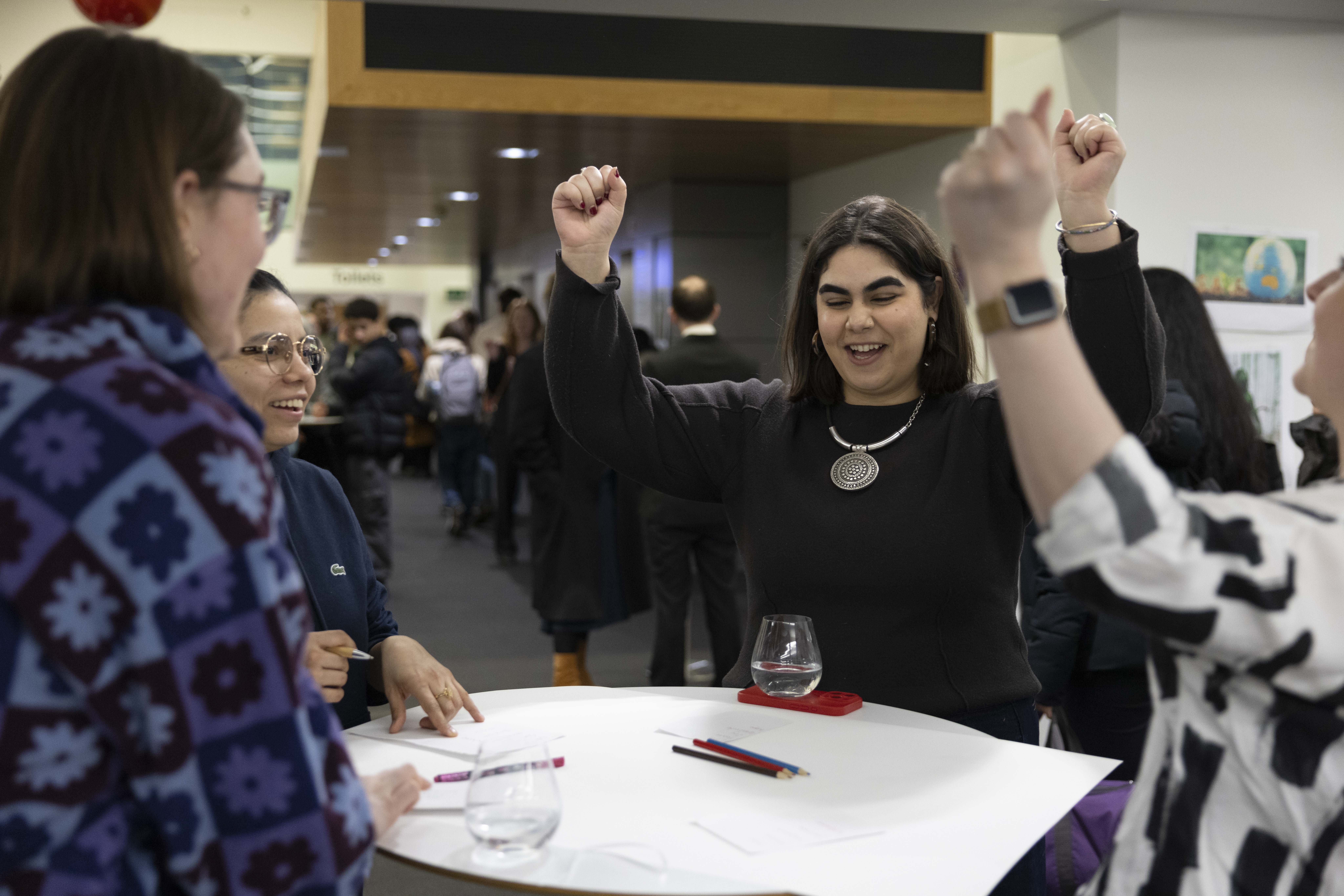
On Monday 9 February, Young people gathered at LSE for an evening of storytelling, honest conversation, and practical workshops with experts. The evening explored how faith and belief can shape climate action in London, and how to move from concern to achievable local steps.
The evening brought together young people, students and guests for a programme designed to hold two truths at once: that climate change is already here, and that young people are already acting, not as “future leaders”, but as present actors.
As Eilidh Taylor of the F&BF Youth Advisory Board put it in the opening of the youth panel conversation: “75% of the world population is part of a faith group, 60% of London is, and 100% of the world is affected by climate change.”
The night combined the power of the creative arts to spark action whilst remaining grounded in the science behind climate change and the policy and social action channels to do something about it.
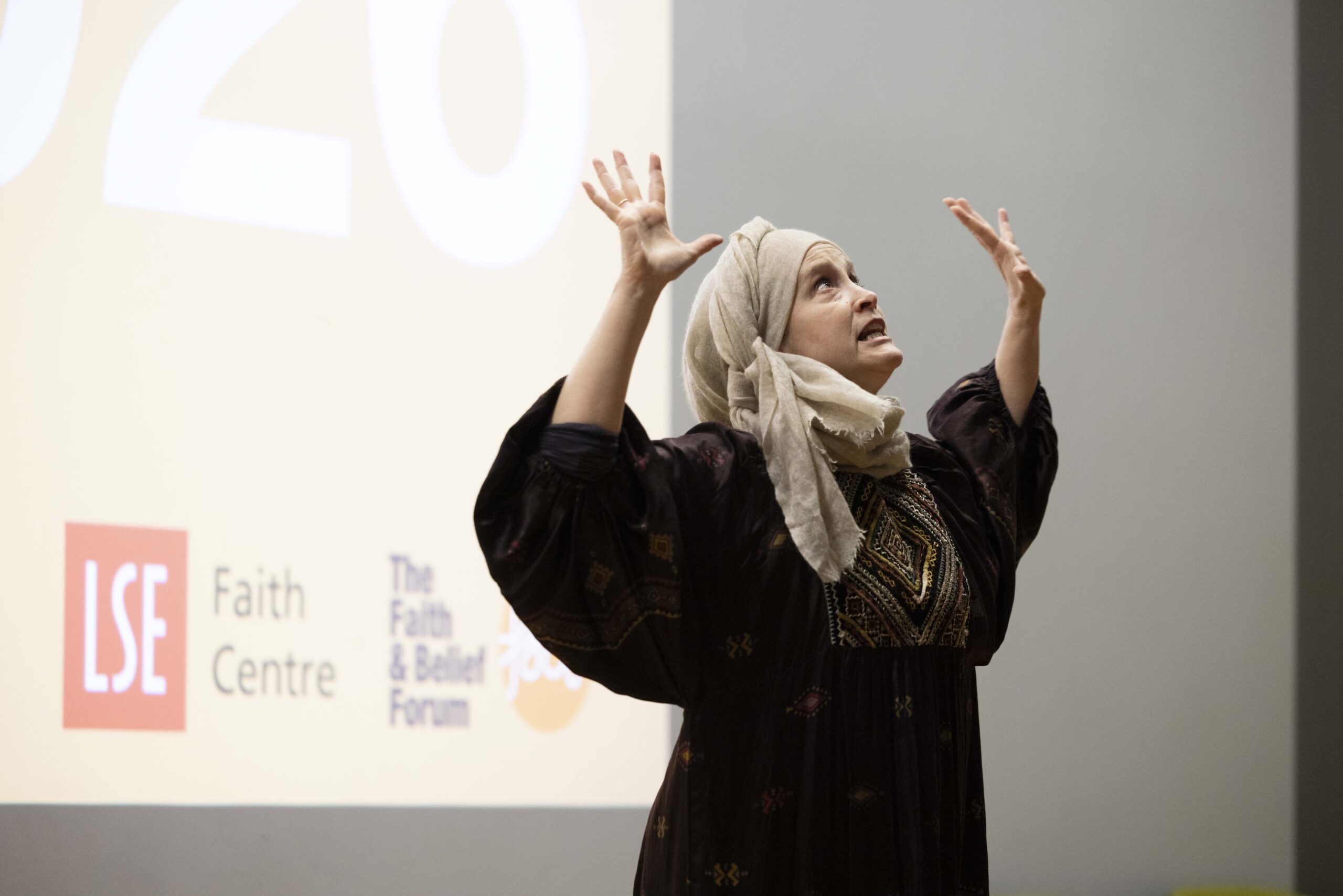
A creative opening performance from Khayaal Theatre set the tone for the night. Eleanor Martin performed an old East African tale, the Rainmaker, to explore collective responsibility and what happens when communities struggle to come together in the face of crisis.
From there, the summit moved into a shared question that ran through every session: what do we owe each other and how do we translate values into action without leaving young people to carry the burden alone?
The opening panel was hosted by Arjan Singh Rai and Eilidh Taylor, both graduates of the F&BF ParliaMentors programme and now on the Youth Advisory Board.
They led a thought-provoking discussion together Blue Weiss, Grace Hardingham and Dr Hanane Benadi to explore where faith communities support climate action, where they hold it back, and how young people navigate the tensions.
Blue Weiss, a Community Organiser who works with many organisations including Citizens UK, argued that progress can’t be left to institutions and decision-makers alone: “Things could be better, but if it were left only to those in power, it won’t be.”
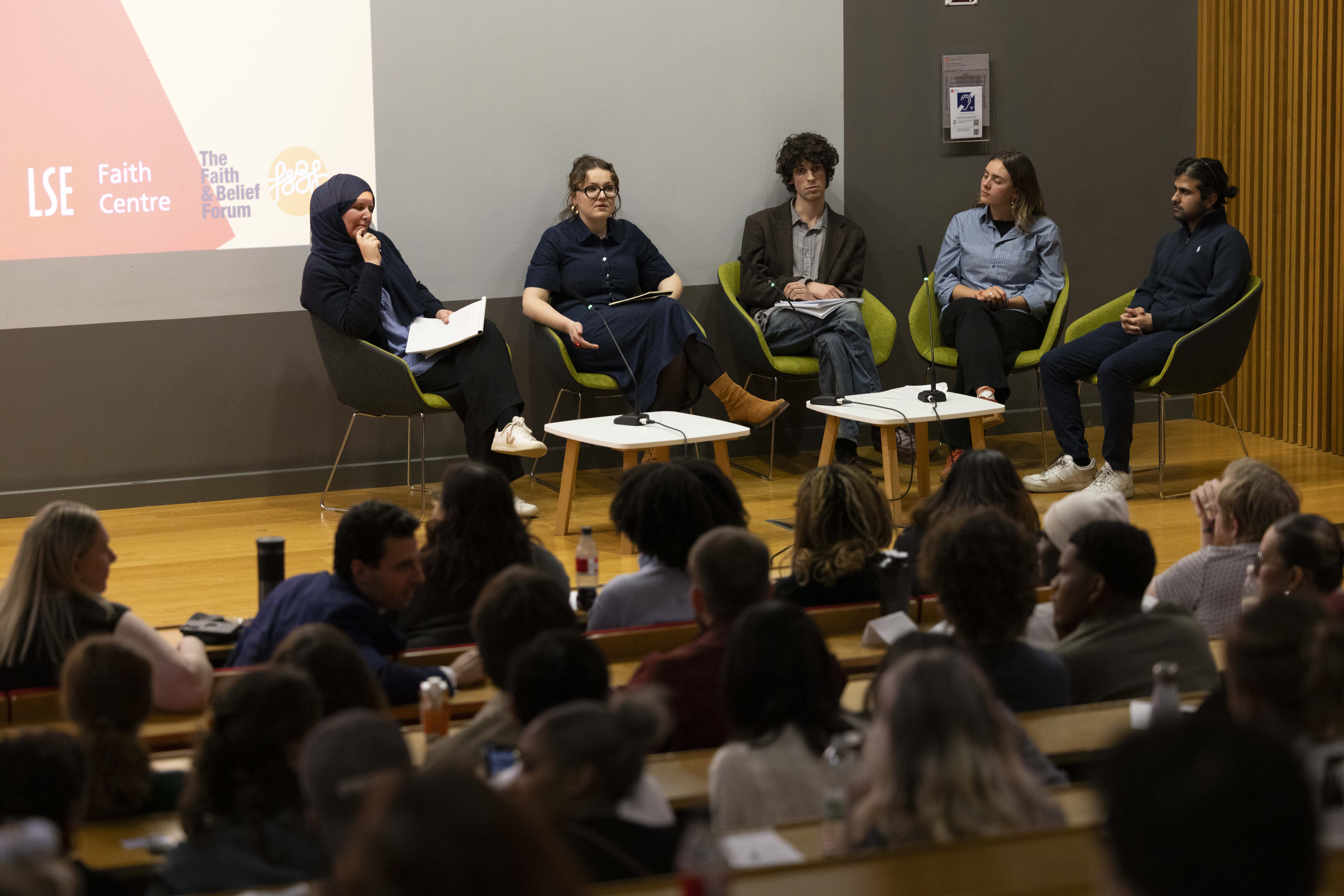
He also named the scale of the challenge with urgency: “At the moment, when it comes to the climate, we’re losing and we’re losing badly.” Blue pointed to the need for local grounding, suggesting that climate organising becomes more real when it begins with smaller, visible issues and builds momentum from there.
Grace Hardingham, who works closely with the UK’s Christian organisations, reflected on the complexity of faith landscapes, including generational shifts. She highlighted both the growth of Christian environmental movements and the challenge of engaging those who are less connected to climate justice conversations. She underlined the importance of meeting people where they are. She also spoke about practical small “wins” that can bring people in: for example, changes like double glazing in church buildings can cut energy use while making spaces warmer and reducing bills to link climate action to everyday needs.
Dr Hanane Benadi drew on her own lived experience of climate impacts to bring the conversation closer to home. . “The city I’m from in Morocco has been almost totally evacuated because of flooding… and this could happen here,” she said.
She also challenged participants not to underestimate the value of faith perspectives: “Don’t feel ashamed of religious perspectives, you have knowledge too, so don’t leave it to only scientists and engineers.” In a wide-ranging reflection on values, she added that “the entire question of climate change is centred around ‘what is the good life’”, and that shifting consumption and expectations is part of the work.
Across the discussion, a clear message emerged: faith communities can be powerful engines for climate action, but only when values become practice, and when young people are supported to organise locally, build alliances, and create change that feels real and reachable.
Following the panel, participants chose one of three workshops, each offering a different pathway into climate action — faith and ethics, creative dialogue, or an embodied exploration of the city.
Participants began by sharing thoughts and feelings about natural disasters – including earthquakes, heatwaves, floods and droughts – and then explored how different belief systems shape the way we interpret these events. The session created space to reflect on how religion and belief can influence our responses to crisis, including how values and faith traditions might encourage action for the good of the climate and for those most affected.
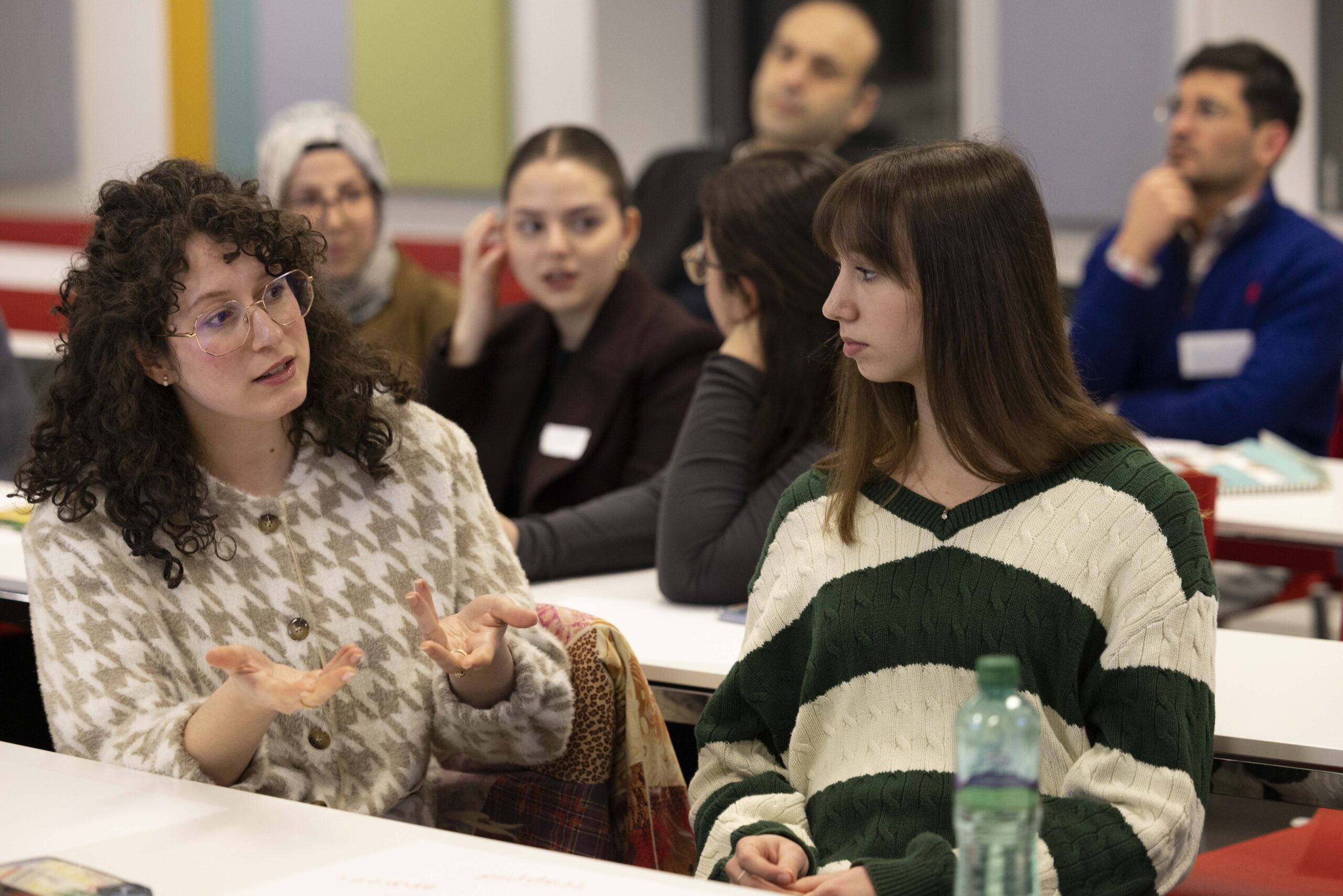
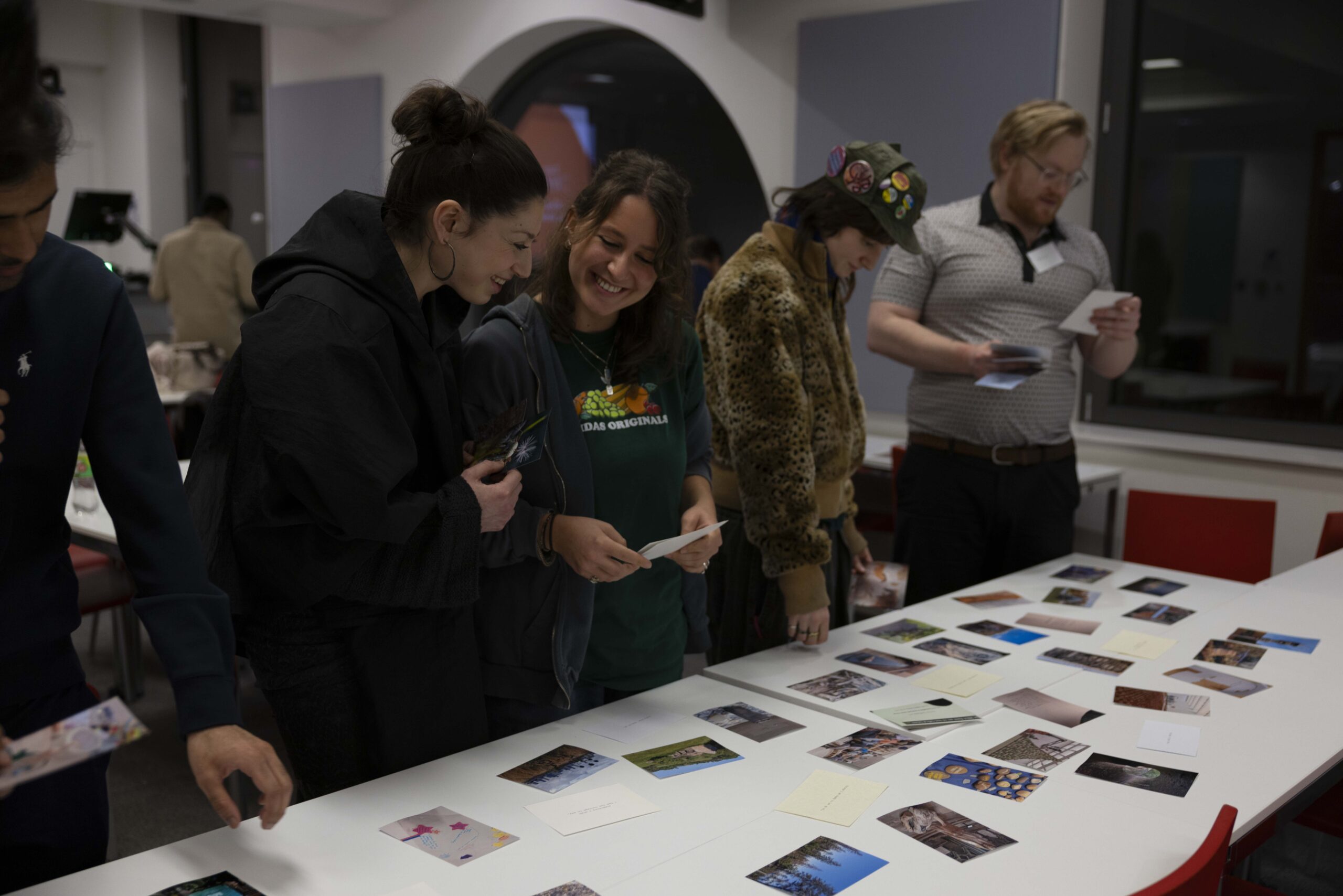
Dr Ute Kelly’s traveled down from the University of Bradford to deliver a workshop that invited participants to process both climate change and the panel conversation through the medium of postcard photography.
Participants selected images that resonated with them, reflected on the questions the images raised, and shared hopes to create a thoughtful space to speak honestly about climate feelings, including anxiety, while also imagining creative ways how they might respond with care, courage and community.
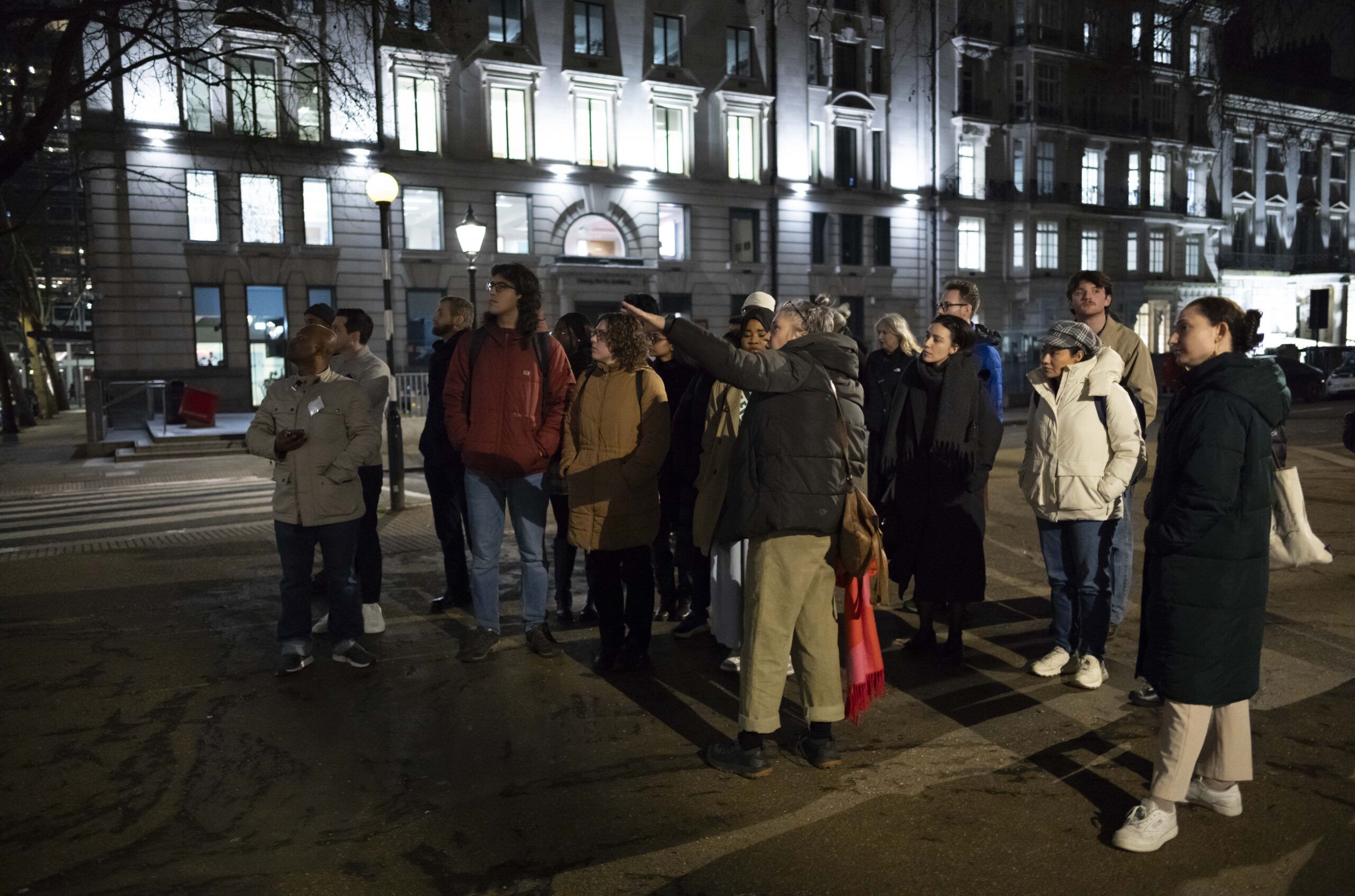
In an after-dark campus walking tour, participants explored climate at street level. Dr Futcher pointed out features that are connected to the climate. She spotlighted how buildings materials, windows, overhangs and open/closed spaces shape wind, warmth, exposure, comfort and atmosphere.
The walk moved between older London architecture and newer glass buildings, sparking discussion about how design choices can trap heat or support cooling, as well as wider themes such as light pollution and how climate is felt in everyday life. The session connected global issues to local, observable realities and showed how conscious design can support more liveable cities.
The summit was shaped and stewarded by young people throughout — from the panel conversation to facilitation and hosting, reinforcing a core theme of the night: responsibility is real, but it needs to be shared, supported, and made practical. And young people are already at the front.
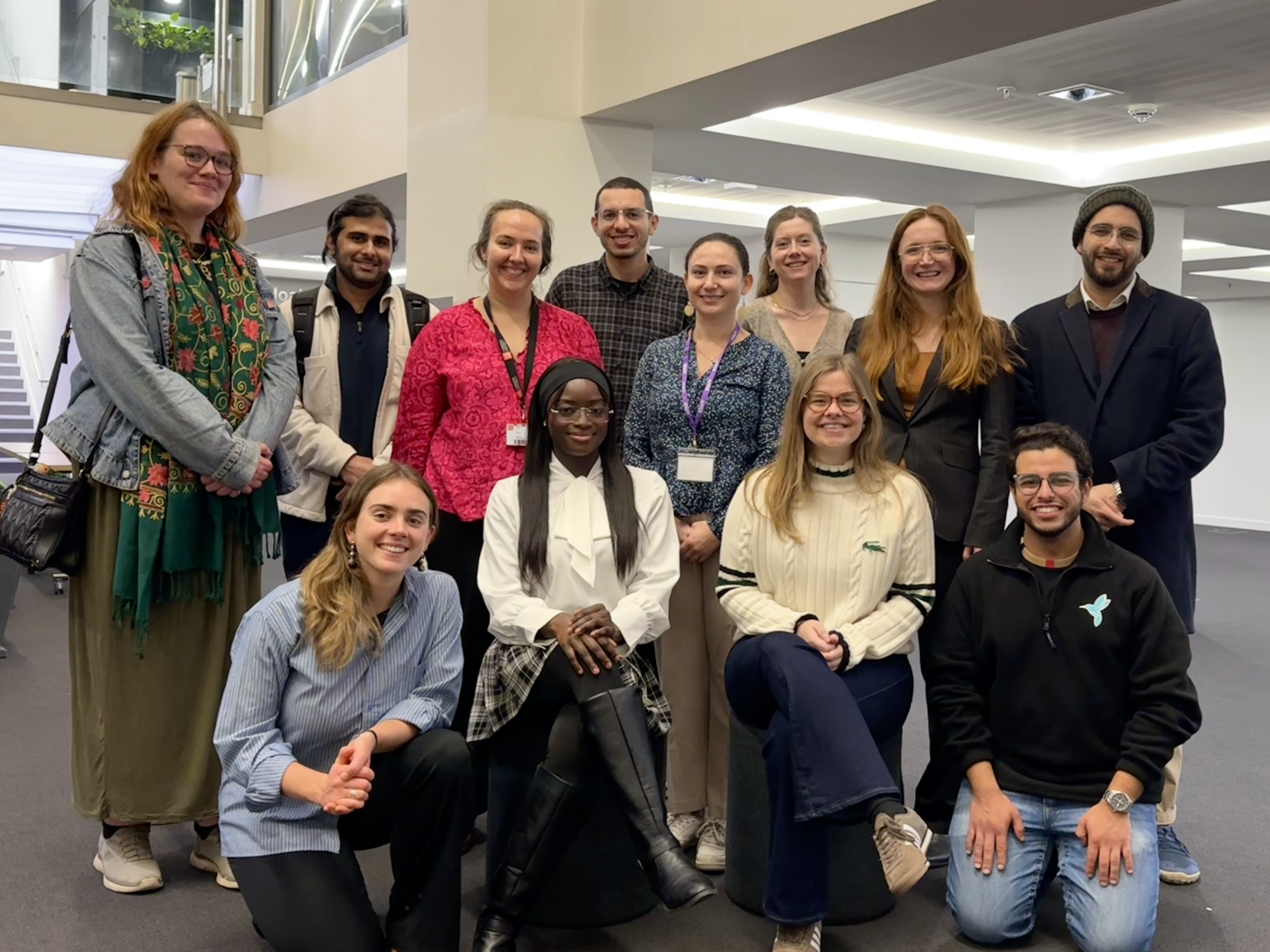
Hussein Salahaldin, F&BF Youth & Universities Co-ordinator, said:
“I was most proud of the Youth Advisory Board who led this summit. It was designed by young people for young people. It’s by them, for them. If we don’t empower young people to take leadership positions – even in relatively simple things like summits – then we’re not empowering them. This just goes to show if you give young people opportunity and trust them, they will do incredible things.”
Jess Hazrati, LSE Faith Centre Manager, said:
The Youth Interfaith Summit is a wonderful coalescence of the LSE Faith Centre’s work: the championing of religion-related study at LSE, harnessing the passion of our young people, and the power of faith in addressing the climate emergency. Bringing together all these areas in partnership with the Faith & Belief Forum has demonstrated how powerful change can happen from the grassroots upwards.”
The evening closed with performances by interfaith artists Tali Shear and Nafis Joy as the attendees reflected on turning big questions into grounded next steps.
The Faith and Belief Forum and LSE Faith Centre look forward to continued work together at the intersection of faith, youth empowerment and climate action in coming years.
30 / 01 / 26
05 / 01 / 26